March 5, 2026
In this blog, we will explore the significance of hiring professional pressure washing services for maintaining cleanliness and enhancing the aesthetics of various properties. From residential homes to commercial buildings, a professional pressure washing service offers numerous benefits that are often overlooked. A clean exterior can significantly boost the appearance and value of a property, making it not only visually pleasing but also structurally sound.
Pressure washing, when done correctly, can effectively remove mold, grime, dust, mud, and other unsightly substances from exterior surfaces. This process is crucial in preserving the quality of various materials, such as wood, concrete, and metal, thereby prolonging the life of your property's exterior features. As we examine the following sections, we will delve into the various benefits and applications of a professional pressure washing service.
The drive toward cleaner, well-maintained environments is also reflected in market trends. According to PS Market Research, the global pressure washer market is expected to reach $3,911.3 million by 2030, progressing with a compound annual growth rate (CAGR) of 4.8% during 2024-2030. This growth indicates an increasing awareness and demand for effective cleaning solutions across various property types, further highlighting the importance of professional involvement in pressure washing services.
The Basics of Pressure Washing
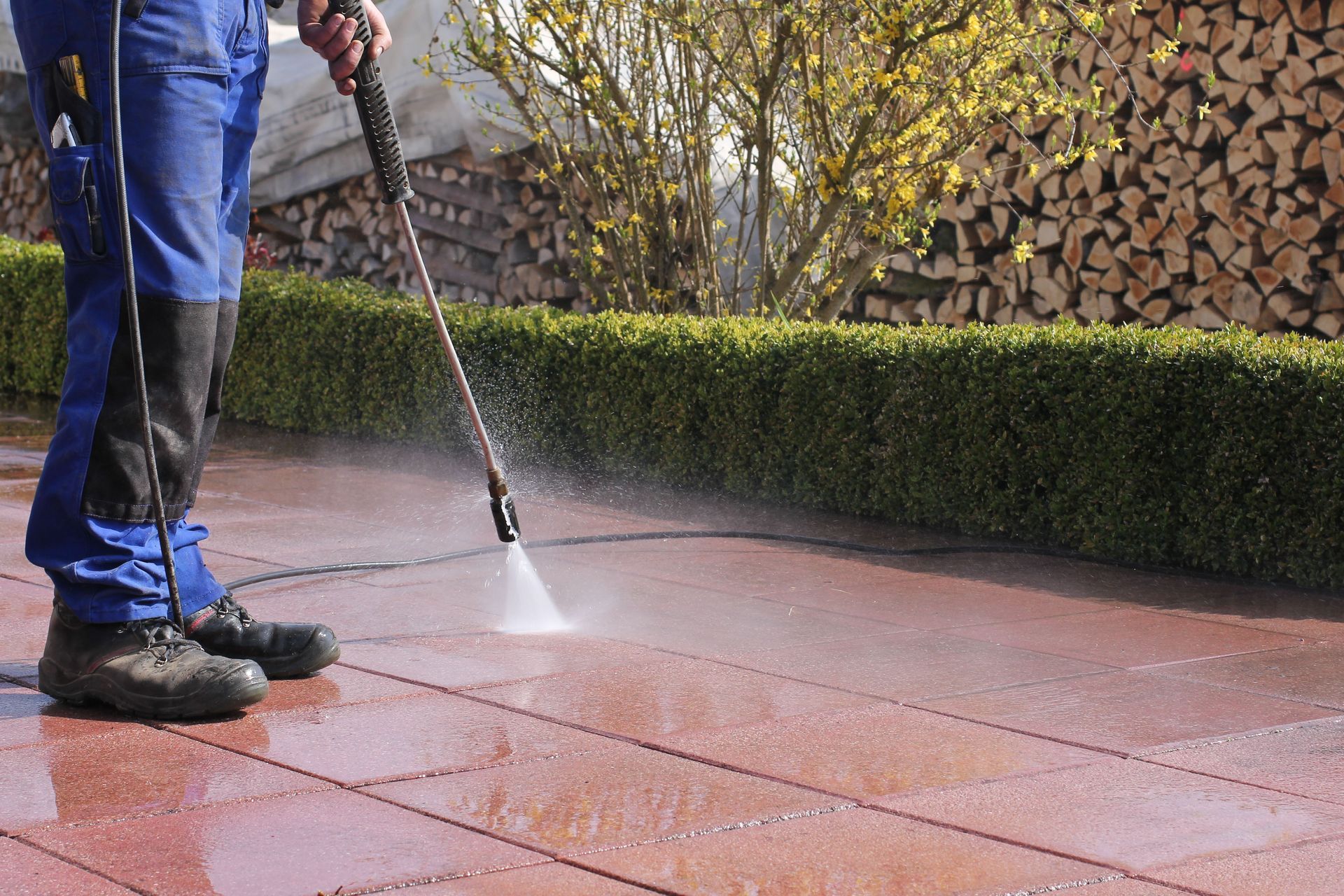
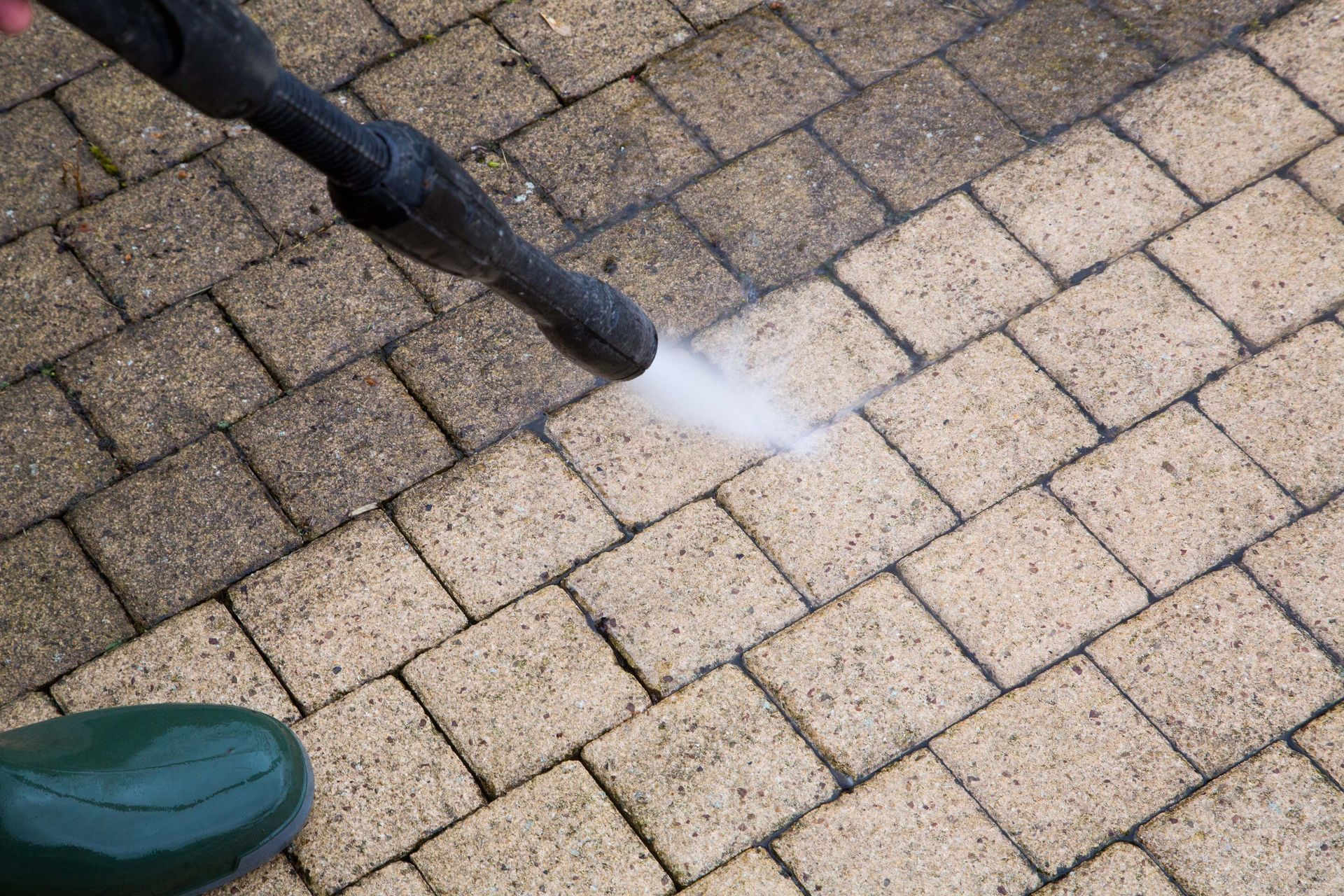
A pressure washing service involves the use of high-pressure water spray to clean surfaces. This technique employs water jets that are powerful enough to remove dirt, mold, algae, loose paint, and more from surfaces. It is particularly effective in cleaning hard surfaces like driveways, patios, decks, and building exteriors. Understanding the basics of pressure washing techniques can help optimize cleaning results for different surfaces, maintaining both aesthetics and material integrity.
A key element of pressure washing is selecting the appropriate pressure level for cleaning. This selection depends on the material being cleaned and the extent of dirt accumulation. Professionals have the expertise to adjust the pressure accordingly to prevent damage to delicate surfaces, ensuring optimal cleaning without compromising structural integrity. This knowledge is crucial in differentiating between an effective cleaning solution and potential damage caused by improper pressure application.
Professionals understand the complexities involved in pressure washing and adhere to industry best practices and safety standards. These measures not only enhance the cleaning process but also ensure the longevity of the material being cleaned. Moreover, the use of eco-friendly cleaning agents by professionals ensures minimal environmental impact while maintaining a high level of cleanliness. Thus, professional pressure washing effectively merges efficiency with sustainability, providing comprehensive cleaning solutions for diverse environments.
Types of Pressure Washers
Furthermore, pressure washers come in various types, each suited to different cleaning tasks. The common types include electric, gas-powered, hot water, and cold water pressure washers, each offering unique benefits and limitations. Electric pressure washers are favored for smaller, lighter tasks, often used in residential settings due to their easy maneuverability and low noise levels. Gas-powered pressure washers, on the other hand, provide higher power and mobility, making them ideal for heavy-duty tasks or larger areas that require thorough cleaning.
Hot water pressure washers are particularly effective in breaking down oils, grease, and stubborn stains, thanks to the high temperature of the water combined with pressure. This makes them ideal for industrial settings or kitchens where grease removal is a concern. Cold water pressure washers are more commonly used in everyday cleaning tasks where high-heat cleaning isn't necessary, and they're effective in removing dirt or mud.
A professional pressure washing service often comes equipped with a variety of pressure washers, enabling them to tackle a wide range of cleaning tasks with efficiency and precision. Their expertise in choosing the right equipment further enhances the efficacy of the cleaning process, ensuring that each surface receives the appropriate care. By using professional knowledge and equipment, property owners can reduce the risk of damage, enhancing cleaning results and ensuring the longevity of their surfaces.
Common Applications of Pressure Washing
Additionally, pressure washing has a multitude of applications, beneficial for both residential and commercial properties. One of the primary applications is in maintaining clean exterior surfaces such as siding, driveways, walkways, patios, and decks. Over time, these surfaces accumulate dirt, algae, mildew, and contaminants that not only affect aesthetics but can also lead to premature material deterioration.
In addition to homes, pressure washing is extensively used in commercial environments, providing vital services that maintain the appearance and safety of business properties. Businesses utilize pressure washing to keep storefronts presentable, enhancing customer experience and increasing foot traffic. Other commercial applications include cleaning of parking lots, graffiti removal, and maintaining sports facilities like swimming pools and tennis courts.
Lastly, industrial settings rely on pressure washing to maintain equipment that accumulates grime and residue over time, ensuring operational efficiency. This process is crucial in industries where hygiene and safety standards are paramount, such as food manufacturing and pharmaceuticals. Moreover, regular maintenance through pressure washing helps prevent machinery breakdowns, minimizing downtime and ensuring continuous operation. Across various settings, pressure washing represents an indispensable solution in property maintenance.
Pressure Washing vs. Power Washing
Although pressure washing and power washing are often used interchangeably, there are distinct differences between the two methods. The primary difference lies in the temperature of the water used. Power washing employs heated water, while pressure washing uses water at ambient temperatures. The heated water in power washing allows for more effective removal of stubborn grime, grease, and other residues that are difficult to clean with cold water.
Power washing is generally reserved for tougher cleaning tasks, where the heat can break down oily substances and deeply ingrained dirt. This method is particularly beneficial in industrial settings where equipment and surfaces require cleanliness beyond the capabilities of regular pressure washing techniques. On the other hand, pressure washing with cold water is sufficient for most residential and commercial applications, providing effective cleaning for surfaces like concrete, wood, or vinyl without risk of damage.
Determining which method to use depends on specific cleaning needs and surface types. Professional services are equipped to make these distinctions, ensuring the application of the most appropriate and effective cleaning technique. By understanding these differences, property owners can make informed decisions and achieve optimal cleaning results while minimizing potential damage to properties. Proper usage of each method ensures cleanliness and longevity, maintaining property value and aesthetics.
The Role of Pressure in Cleaning Efficacy
The efficacy of pressure washing largely depends on the amount of pressure applied during the cleaning process. Adjusting pressure levels correctly is crucial in achieving optimal cleaning results while preserving surface integrity. Too much pressure can damage surfaces, while insufficient pressure may not remove dirt effectively. Professionals are skilled in calibrating pressure settings to balance cleaning power and safety.
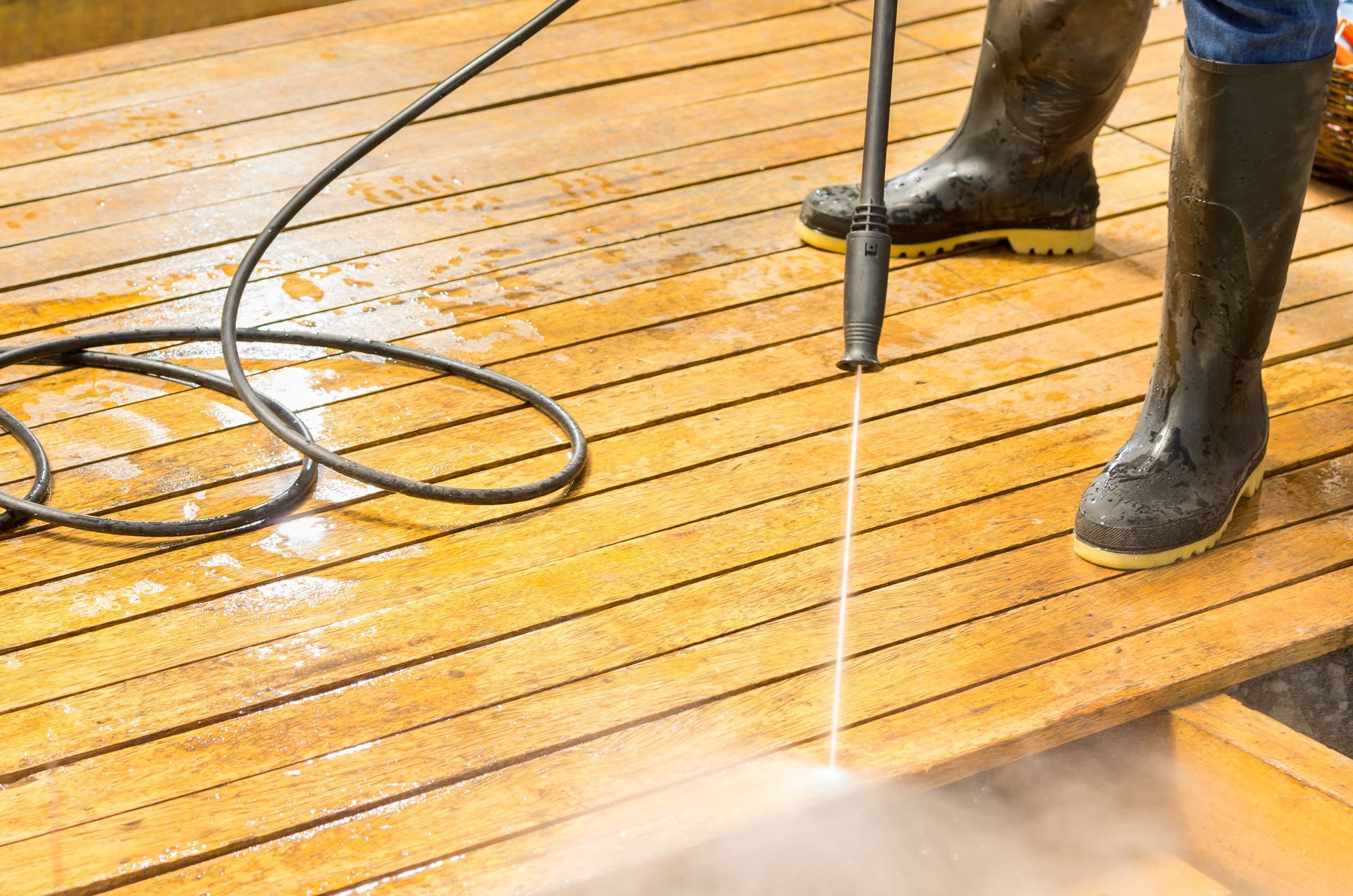
Pressure settings also vary based on the type of surface being cleaned. Softer materials like wood require gentler pressure to prevent etching or splintering, whereas harder surfaces like concrete can withstand higher pressure levels. This nuanced understanding allows professional services to tailor pressure settings accordingly, achieving thorough cleaning without compromising material quality.
A professional pressure washing service plays a vital role in preserving the appearance, safety, and longevity of both residential and commercial properties. From understanding the proper equipment and techniques to selecting the right pressure levels for each surface, trained professionals bring knowledge and precision that minimize risk and maximize results. As industry growth continues to reflect rising demand, investing in expert cleaning services remains a smart decision for property owners. For a pressure washing service, contact us at Wanless Pressure Washing, LLC today.